WAITLIST OPEN · NEXT COHORT
Certificate in Racialised Workplace Stress & Coaching Practice
Research-informed specialist practitioner education for coaches working with Black and Global Majority professionals. Eight weeks. Fifteen practitioner tools. Grounded in the Cost of Black Excellence™ research.
8 WEEKS
15 TOOLS
PRACTITIONER MANUAL
JOIN THE WAITLIST
Be first to hear when enrolment opens
Waitlist members receive cohort dates and early access before public release.
WHY THIS PROGRAMME EXISTS
Clients rarely arrive naming
racialised workplace stress.
The evidence says it is there.
86%
always or often feel they must work harder than others to be seen as competent.
87%
have toned down aspects of identity to succeed professionally.
91%
have considered leaving, or already left, a role for wellbeing reasons.
48%
say they do not have access to culturally sensitive support.
Source: COBE Research CIC · The Cost of Black Excellence™ · n = 1,153 responses. Self-selected, descriptive sample.

WHO IT’S FOR
For coaches who want to widen the frame before they fix the problem
Clients often arrive with confidence concerns, exhaustion, career indecision or a desire to leave. This certificate teaches you to see those issues in context — without diagnosing, rescuing or deciding for the client.
- Practising coaches and coaches in training
- Coaches working with Black and Global Majority professionals
- HR, L&D and wellbeing professionals who commission or deliver coaching
THE COBE PRACTICE PATHWAY
Recognise. Protect. Position. Decide.
01
RECOGNISE
See the client in context: workplace conditions, identity, relationships, patterns and adaptation.
02
PROTECT
Explore health, energy, boundaries, support, financial resilience and referral.
03
POSITION
Strengthen awareness of career capital, sponsorship, visibility and mobility.
04
DECIDE
Examine, Stay, Challenge, Reposition or Leave, without deciding for the client.
What you will learn
WEEK 1Understanding Racialised Workplace Stress+
WEEK 2The Coach in the System: Bias, Culture and Context+
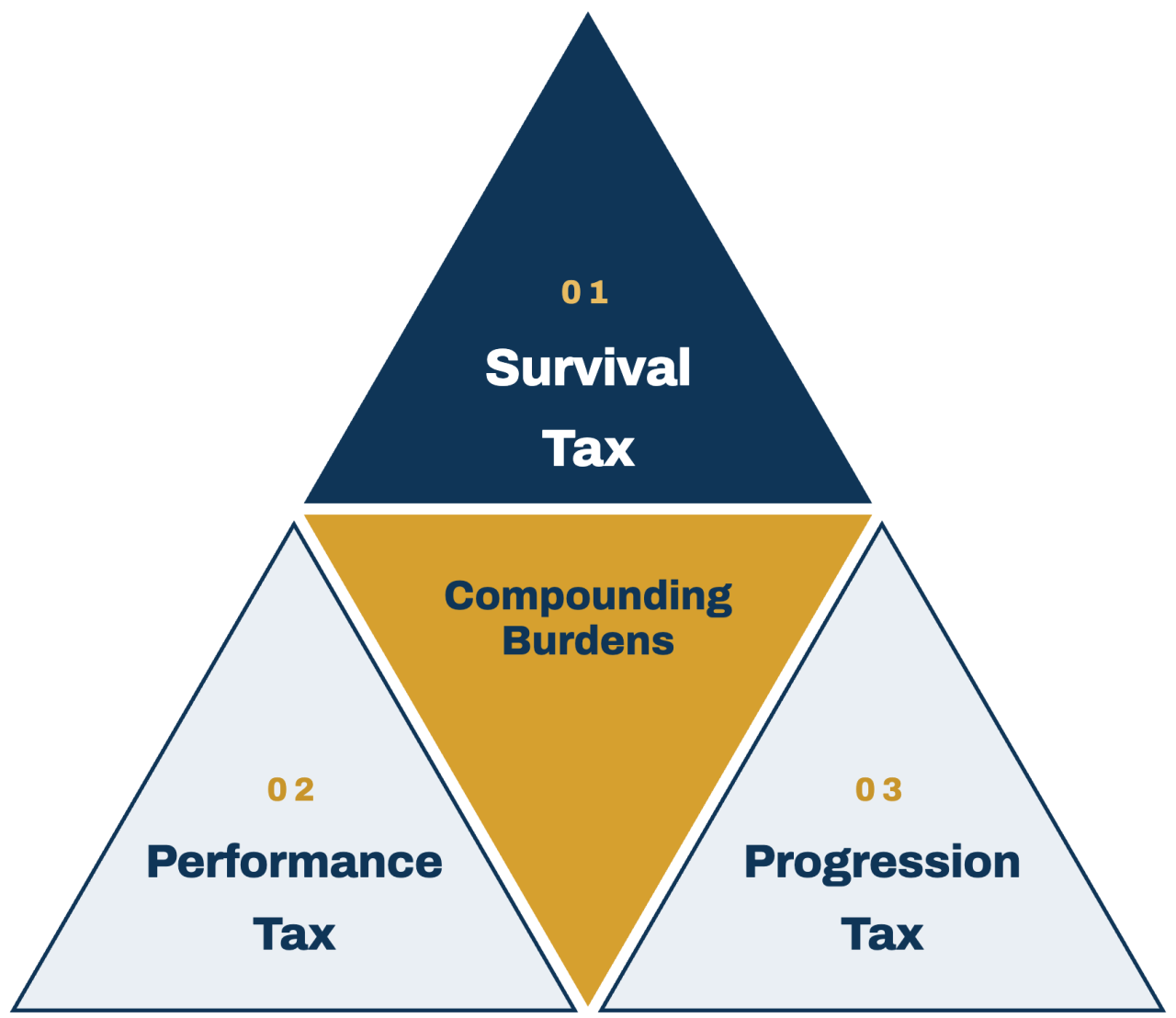
WEEK 3The Cost of Black Excellence: Survival, Performance and Progression+
WEEK 4Identity, Trust and Psychological Safety+
WEEK 5When High Performance Becomes a Survival Strategy+
WEEK 6Protection Before Progression+
WEEK 7Positioning, Agency and Career Choice+
WEEK 8Ethical Integration and Practitioner Assessment+
Everything you need to practise with confidence
Research foundation, case studies, reflection pages and ethical guidance for all eight weeks.
From the Context Before Correction™ Map to the Referral Decision Map™ — inquiry structures, not diagnostic instruments.
The Excellence Tax™ Model, Integrated Practice Model™, PAUSE™ and Stay–Challenge–Reposition–Leave™.
Case-based practice each week, with reflection before and after.
A capstone case and a 750–1,000-word final reflective statement.
COBE Certificate in Racialised Workplace Stress & Coaching Practice on completion.
This is professional education, not therapy training
The programme focuses on workplace conditions, career development, professional support and organisational action.
It does not qualify participants to diagnose or treat mental health conditions.
Instead, participants learn to recognise when workplace experiences affect an individual, work within their professional boundaries, and identify when another form of specialist support is appropriate.

YOUR FACILITATOR
Natasha Williams
Founder, COBE Research CIC · Researcher · Workplace Wellbeing Strategist
Natasha Williams is the Founder of COBE Research CIC and the lead researcher behind The Cost of Black Excellence™, a research programme examining racialised workplace stress, psychological safety, high-performance pressure, identity management and career progression among Black & Global Majority professionals.
Her work brings together organisational psychology, workplace wellbeing, and coaching practice to help professionals and organisations better understand the hidden cost of continually proving, over-performing, and adapting at work.
Natasha holds postgraduate qualifications in Business & Organisational Psychology, along with professional training in coaching, trauma-informed coaching, and leadership.
Her wider professional background spans technology, surveying, housing, consulting, and organisational leadership.
Frequently asked questions
01Who is this programme for?+
This programme is designed for practising coaches who already have foundational coaching training or equivalent professional experience.
It is especially relevant for executive, leadership, career, wellbeing and workplace coaches who support Black and Global Majority professionals.
The programme assumes you already understand core coaching skills such as contracting, listening, questioning, ethics and client autonomy.
02What will I learn?+
You will learn how to coach more effectively when workplace pressure is shaped by race, identity, psychological safety, performance demands, progression barriers and organisational context.
You will work with areas including:
- racialised workplace stress
- continual proving
- identity management
- perfectionism and over-preparation
- hyper-independence
- code-switching
- sponsorship and visibility
- career decision-making
- wellbeing and referral
- ethical scope of practice.
You will also learn how to use COBE frameworks without labelling or diagnosing clients.
03Is the programme based on research?+
Yes.
The programme is grounded in the ongoing Cost of Black Excellence™ research programme led by COBE Research CIC, alongside peer-reviewed research in organisational psychology, occupational health, racialised stress, identity threat, psychological safety, burnout, effort–reward imbalance, organisational justice and sponsorship.
The course distinguishes between research findings, external academic evidence and COBE’s proprietary practitioner frameworks.
The principle throughout is:
Evidence informs inquiry. The client provides meaning.
04Is this programme ICF accredited?+
The programme is being designed against the current ICF Core Competencies and is being prepared for ICF Continuing Coach Education accreditation.
The programme contains 18 instructional hours, with a proposed split of:
- 14.5 Core Competency hours
- 3.5 Resource Development hours
Final CCE hours remain subject to ICF approval.
This programme does not provide an ACC, PCC or MCC credential.
05Is this a diversity, equity and inclusion course?+
No.
The focus is coaching practice.
You will learn how to work with clients whose professional experiences may include racialised workplace pressure, identity management, psychological unsafety, high-performance survival strategies and career constraint.
The programme develops contextual awareness, ethical coaching, client autonomy and scope-of-practice judgement.
06Do I need to be Black or Global Majority to join?+
No.
The programme is for coaches who want to strengthen their practice with Black and Global Majority professionals.
You will be expected to engage thoughtfully with questions of race, identity, culture, power, bias and professional practice.
The programme does not assume shared identity means shared experience.
07Will I receive practical tools I can use with clients?+
Yes.
Participants receive the COBE Practitioner Manual and 15 practitioner tools, including:
- Context Before Correction™ Map
- Coach Influence Map™
- Three Taxes Inquiry Map™
- Trust & Safety Reflection Map™
- Survival Strategy Map™
- Protection Check™
- Protection Plan™
- Referral Decision Map™
- Career Capital Map™
- Stay–Challenge–Reposition–Leave™
- COBE Integrated Practice Model™
- PAUSE Ethical Decision Model™.
The tools are designed to support inquiry rather than diagnose clients.
08Is the programme live?+
Yes.
The programme runs over eight weeks and includes 18 hours of live learning.
Sessions combine:
- teaching
- research
- case studies
- reflective practice
- coaching laboratories
- observed practice
- peer discussion.
The live format matters because this work requires practice, feedback and reflection.
09Will I be assessed?+
Yes.
The programme includes:
- knowledge assessment
- observed coaching practice
- ethics assessment
- reflective practitioner statement.
Assessment focuses on safe, ethical and client-centred application of the learning.
Participants who need further development will have a remediation route rather than an automatic fail.
10What happens after the programme?+
You will leave with:
- the COBE Practitioner Manual
- 15 practitioner tools
- observed coaching feedback
- a Practitioner Development Plan
- certificate of completion
- access to the practitioner community
- a follow-up case consultation session.
The programme is also designed as the foundation for a future COBE Certified Practitioner™ pathway with further supervision, assessment and practice requirements.